


In recent years, trampoline parks have become a hot spot in the global indoor entertainment industry. trampoline parks are attracting increasing consumer attention as they evolve from mere facilities for jumping to a comprehensive mix of free jumping, interactive games, family-oriented activities, team-building activities and sports experiences.
Unlike traditional playgrounds, trampoline parks offer more than entertainment. They combine physical activity, social interaction and fitness to meet the desires of modern consumers for a variety of leisure options. Places such as city business complexes, shopping malls, Family Entertainment Centers and kid-only play areas have become important grapples to promote pedestrian transportation and enhance the consumer experience. What is driving the rapid growth and market popularity of trampoline parks? There are several main reasons behind this trend.
First, sports and recreation should be combined to meet Wellness-Oriented Consumer Demands
Modern consumers increasingly focus on healthy lifestyles. Whereas traditional forms of entertainment tend to emphasize passive viewing or simple experiences, trampoline parks combine exercise with recreation, allowing consumers to reap the benefits of exercise while enjoying themselves.
A trampoline involves multiple parts of the body, building leg strength, core stability and body coordination. Trampolines are more relaxed and more enjoyable than fitness routines workouts, reduce the stress of exercise and are a big draw for children, teenagers and adults alike.
For parents, trampoline parks are a place where children can expend energy while developing body coordination and exercise interests. For young consumers, these parks offer a novel way to socialize through events, in line with current consumer trends that combine recreation and wellness.
As health-conscious lifestyles become more mainstream, consumer demand is shifting from purely passive entertainment to experiential activities that offer interaction and physical benefits-a shift that is driving the growth of the trampoline park market.
II. Diverse Entertainment Offerings Enhance the User experience
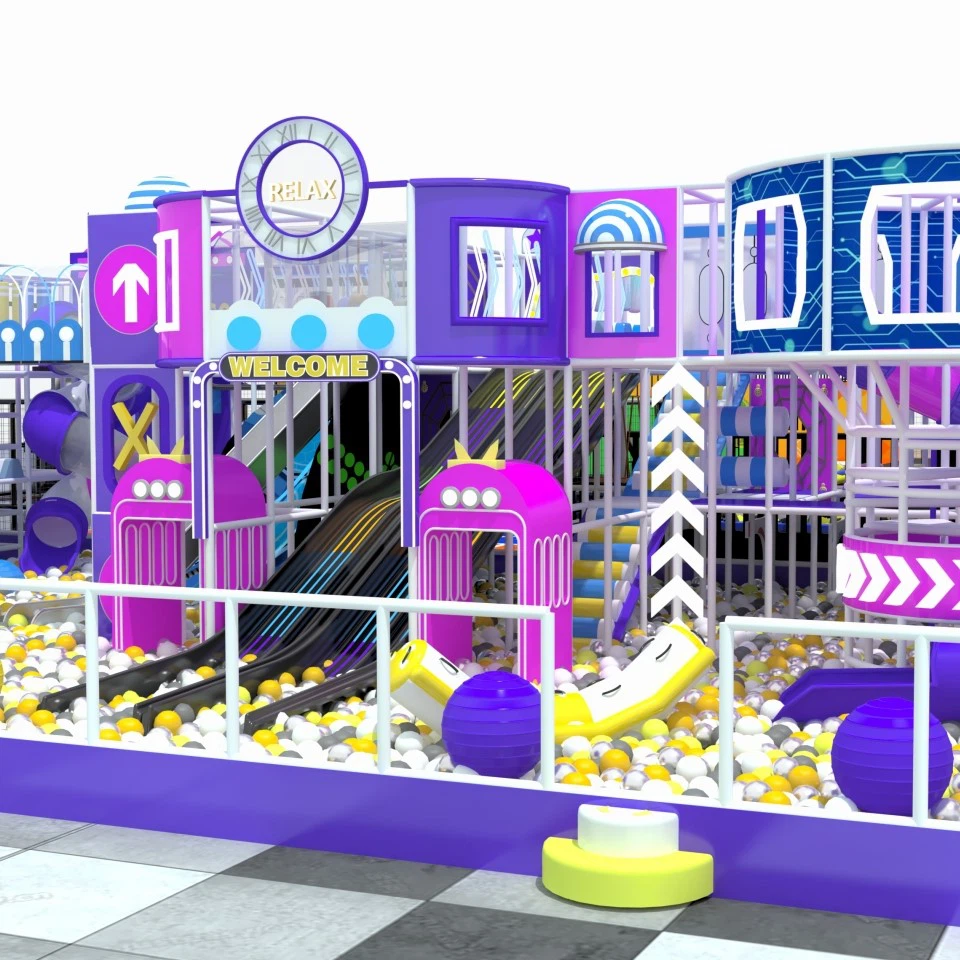
While early trampoline facilities focused on basic jumpings, modern trampoline parks have evolved into integrated entertainment venues with a wide range of functional areas. These include free jump zones, basketball dunk, dodgeball courts, foam pits, climbing structures, interactive game zones and kid-only areas.
With such a wide variety of attractions, the park caters to consumers of all ages. Children can have fun with simple jumpings, teens can compete, and adults can take on sports challenges and enjoy team interaction.
In addition, trampoline parks often have an open design that allows guests to choose their activities, enhancing usage times and participation. Unlike traditional children's play formats areas, trampoline parks emphasize interactivity and autonomy, making it easier to sustain consumer interest.
A range of diverse activities have also promoted the commercial viability of trampoline parks, enabling them to cater for a variety of occasions, such as birthday parties, school events and corporate team-building.
III. Changes in urban spaces drive demand for indoor entertainment
As urban population density increases and outdoor recreation spaces become increasingly limited, consumer demand for indoor recreation facilities continues to grow.
In large cities in particular, weather fluctuations, air quality and safety concerns can affect the outdoor experience. As a result, indoor entertainment venues that provide comfort and controlled safety are increasingly popular with families.
Trampoline parks are usually located in shopping malls, business districts or large entertainment complexes; they are open year-round, regardless of season or weather. This feature makes it an important option for commercial estate developers looking to increase the amount of time consumers spend on site.
For mall operators, the introduction of experiential businesses such as trampoline parks will help attract more families, extend living times and stimulate related dining and retail spending. As a result, more and more business centers are focusing on the growth potential of indoor sports and entertainment venues.
IV. INTRODUCTION The Parent-Child Market Emerges as a Key Growth Driver
The family consumer market has long been a cornerstone of the entertainment industry, and trampoline parks are perfect for parents and children.
Unlike traditional electronic recreation, trampoline parks encourage physical activity while providing opportunities for parents and children to participate together. Many families choose to relax in trampoline parks on weekends and holidays, making trampolines an important place for parent-child interaction.
In addition, as parents pay more and more attention to their children's all-round development, recreational activities that develop their children's athletic ability, balance and coordination are becoming more and more accepted.
trampoline parks, with age-specific range of activities and safety features to meet children's needs at different stages of development, area key factor in the rapid expansion of the family entertainment market for children.
V. Enhanced Social Aspects FOR Consumer Engagement
Modern entertainment consumption has gone beyond the product itself to focus more on the social experience. Trampoline parks are highly interactive spaces for friend gatherings, team-building activities and general social entertainment.
For example, young consumers can cultivate social connections through challenge courses, competitive games and interactive activities, and companies can utilize these parks to host team-building events to increase employee engagement.
Unlike relatively passive forms of entertainment such as movie theaters or standard arcades,trampoline parks emphasize active engagement and interaction, placing consumers at the heart of the experience. This immersive nature makes word-of-mouth promotion more likely and helps attract potential customers through social media.
VI. INTRODUCTION A Mature Investment Model Drives Rapid Industry Growth
In addition to growing consumer demand, the maturation of the trampoline park business model is also a key driver the industry's growth.
Specialist equipment manufacturers now offer a comprehensive range of one-stop services-from site planning and equipment design to manufacturing, installation and maintenance-lowering the barriers to entry for investors.
In addition, trampoline parks offer flexible design options based on existing spaces; they can be small-scale children's play areas or large integrated sports and entertainment centers.
Operationally, revenue streams go beyond admission tickets to include birthday parties, membership services, training sessions and brand partnerships to diversify profitability. As a result, trampoline parks offer huge market potential for commercial investors.
Looking ahead, trampoline parks have a lot of room to grow as consumer demand for experiential activities continues to grow. Innovations in equipment design focusing on smart technology, improved safety and variety will continue to drive the industry's evolution.
FAQ: Common Questionss in Trampoline Parks
Q1: Who are the best trampoline parks for?
Trampoline parks also cater to children, teenagers and adults. Visitors of different ages can choose suitable areas and activities according to their physical condition.
Q2: How is trampoline parks different from a standard playground?
Standard playgrounds focus on toys and facility-based plays, while trampoline parks combine sport, recreation and interaction with a stronger emphasis on physical contact and social experiences.
Q3: What factors should you consider when investing in trampoline parks?
Key considerations include venue size, equipment quality, safety design, target population, operating model and market positioning.
Question 4: Do trampoline parking devices require regular maintenance?
Yes, it's true. Check the spring, gasket, safety nets and connection structure regularly to ensure the safe operation of the equipment and prolong its service life.
Q5: Why are malls increasingly interested in introducing trampoline parks?
Trampoline parks attract families, increase the amount of time customers spend on site and improve the overall quality of the commercial space experience, making them a popular entertainment attraction for many shopping centers.
